Picturehouse Recommends
Featuring exclusive film previews, interviews and much more, this is the place for anyone slightly obsessed with cinema.
Featuring exclusive film previews, interviews and much more, this is the place for anyone slightly obsessed with cinema.
08 Sep 26
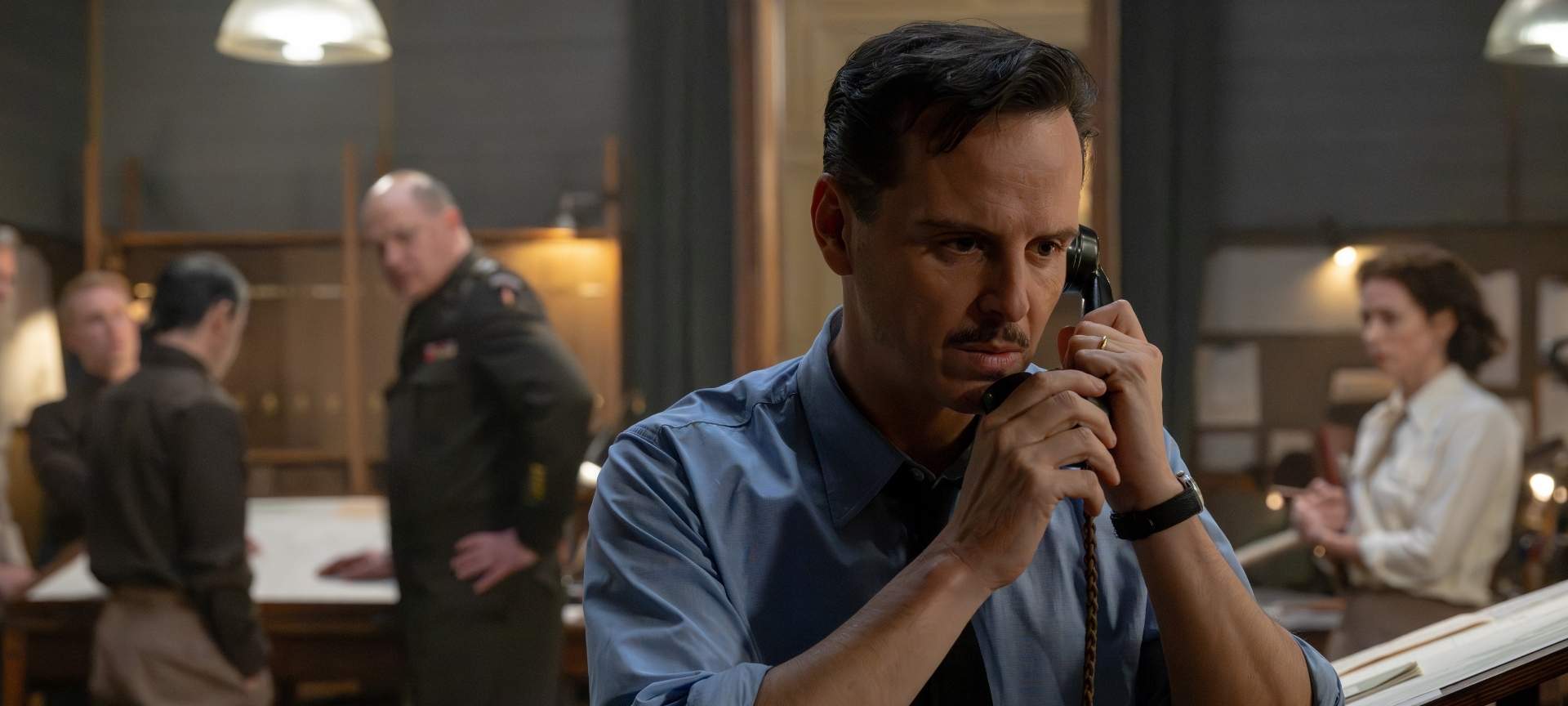
The director of WWII drama Pressure on Andrew Scott, Brendan Fraser and making weather forecasting absolutely gripping
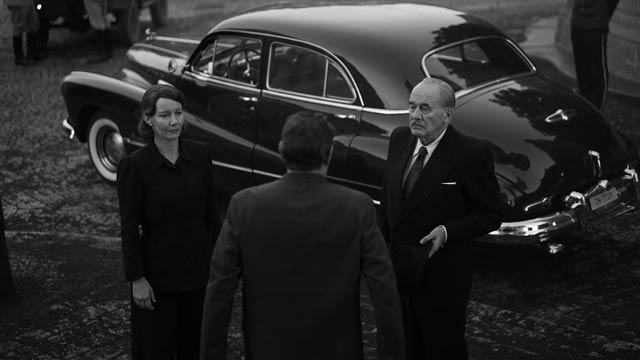
Australian director Anthony Maras knows how to sustain a thriller; check out 2018's gripping Hotel Mumbai. But Pressure's story behind D-Day challenged him in all new ways: he had to wring tension from a history where many of us already know the ending. The secret, it turned out, was to drill into how the sausage was made, to take us back to those last, impossibly high-stakes hours before the invasion…
Pressure started life as a play. What grabbed you about its story?
I read the stage play and the screenplay [when] I had just left Los Angeles, which was engulfed in wildfires, and flew back to Australia, which was burning with bushfires. It really got me thinking about the awesome power of nature. This massive invasion force ultimately came down to one weather forecast, this single decision that's driving everyone mad over these three days. There's an inherent drama in it.
So how do you make a weather forecast dramatic onscreen?
That's why I wanted to make the movie! What techniques could we use to make this amorphous, slow-moving weather system terrifying? One of the key changes was starting with Operation Tiger, the rehearsal for D-Day. That was a catastrophe, so we have that as a shadow looming over everyone. We have this idea that Southwark House [Allied HQ] is like the nerve centre or the brain, and then it extrapolates out through these huge armies and ships and tanks and ultimately out to the atmosphere and these massive weather systems. This gives a real sense of scale and a sense of how small we humans are but it really needs to be translated through the performances.
And given that, you needed to assemble a really great cast.
Maras: You want to build it around your protagonist, [meteorologist] James Stagg. I've loved Andrew Scott for a very long time; he's one of the best actors working today. And Stagg is very internal; you require an incredible sense of nuance. Then you have an icon in Eisenhower, one of the heroes of World War II. But at the time he was on the back foot, smoking many packs a day, drinking. There was a vulnerability that you read between the lines as well as this folksy, endearing Midwest character, and Brendan Fraser could embrace that duality. And Kerry Condon, there was a warmth and a dignity that she could bring to this woman in a man's world.
How has it played to cinema audiences so far?
Maras: It was interesting to see the differences across the Atlantic, when you got the laughs and the sort of "ooohs" and "aaahs". In both instances, there's a moment where some shocking news comes in, and everyone was glued to it because of a very good performance by one of the cast. So that ran through. There was a difference in assumed knowledge about the War, but I was surprised how much the British humour carried across. It was nice to see the little dips in tension where you can have a release.
What are your own favourite cinema memories?
Maras: I grew up in the '90s in Australia, so we were really spoiled having the last of the Hollywood system and the whole American indie scene [as well as] English and European cinema, and some Australian productions. I'd go to the Nova Cinema on Rundle Street [in Adelaide] and watch Mike Leigh films. I saw The Big Lebowski when I was 16; I didn't entirely know what it was about, but I knew that I loved it and I made my auntie take me back. I think I saw that three times.
Interview by Helen O'Hara.
Pick up a copy of Picturehouse Recommends at a Picturehouse Cinema near you, or become a Member.