From Film School to Star Wars: A George Lucas Day
N/A 420 mins
N/A 420 mins
10.30-17.30 (with a lunch break 13.00-14.00)
£45 or £40 for Members and concessions
Tutor: Peter Krämer ([email protected])
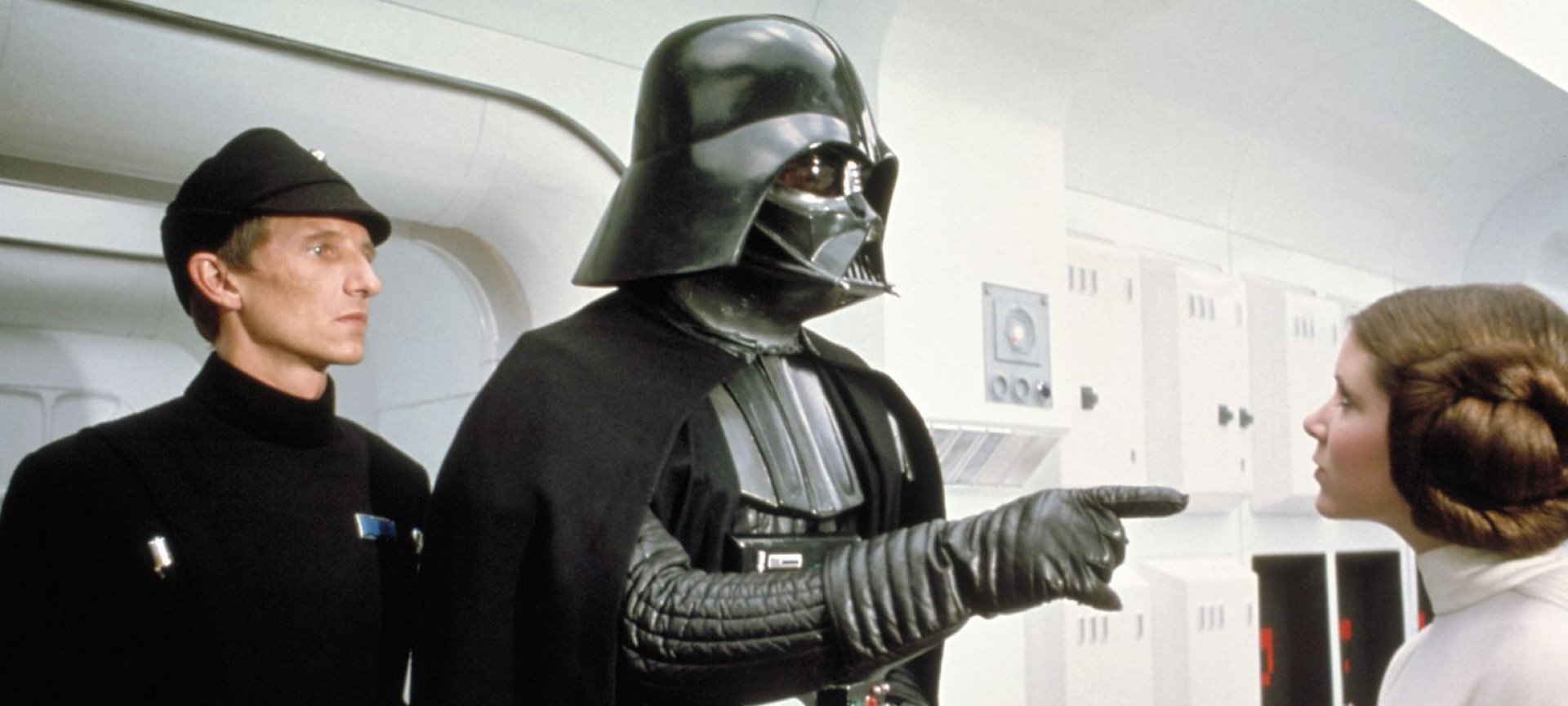
The re-release of the original 1977 version of George Lucas’s Star Wars (later given the subtitle Episode IV – A New Hope) on 19 February 2027 is a good occasion for us to reflect on how this movie came about and on the impact it had in the late 1970s and beyond.
Drawing on our own experiences with the original film and the whole franchise, and also on the tutor’s many publications (including American Graffiti: George Lucas, the New Hollywood and the Baby Boom Generation, Routledge, 2023), this day school look at the filmmaker’s biography, especially his childhood and teen obsessions with TV, comics and cars as well as his film school education, early career and professional networks.
From 1964 to 1970 George Lucas (b. 1944) focused on making experimental and documentary shorts, doing camera and editing work on other people’s movies and creating a highly stylised, almost abstract debut feature, the dystopian Science Fiction drama THX 1138 (1971). This was made for the independent production company American Zoetrope which Francis Ford Coppola had set up with Lucas’s help. In-house screenings of THX 1138 in 1970 for executives of Warner Bros., the studio that had financed both the film and American Zoetrope, did not go well. Despite some re-editing, the film proceeded to become a major box office flop, while Coppola was almost bankrupted.
The two partners separately set out to re-invent themselves as commercial filmmakers, resulting in three of the highest-grossing films of all time: The Godfather (1972; an all-time critical favourite), American Graffiti (1973; a semi-autobiographical ensemble comedy about teenagers in 1962 which was a key contribution to the nostalgia wave in 1970s America) and Star Wars.
Initial ideas for Star Wars were developed from 1970 onwards in parallel to the making and release of American Graffiti, and there are numerous connections between Star Wars and American Graffiti as well as Lucas’s earlier films. As a ‘space fantasy’ Star Wars was an unusual proposition for a big-budget movie in the mid-1970s. While Science Fiction and fantasy adventures came to dominate box office charts from 1977 onwards, they had rarely been successful before then.
The enormous success of Star Wars helped to re-define what the film industry and audiences considered to be mainstream cinema. This day school explores how an initially mostly experimental filmmaker came to make this era-defining blockbuster.
About the tutor:
Peter Krämer is an Honorary Fellow in the School of Media, Language and Communication Studies at the University of East Anglia. He is a regular guest lecturer at several other universities in the UK, Germany and Czechia, has written or edited twelve academic books and has also co-authored an illustrated volume about American film for children. He has been involved in adult education for over thirty-five years.
Programmed in partnership with the Sir John Hurt Film Trust.